Sketch is drawn after Turbo #76: Ferrari GTS Turbo. All the classic details are in place. Modernized shape & reviewed front.


game.blog
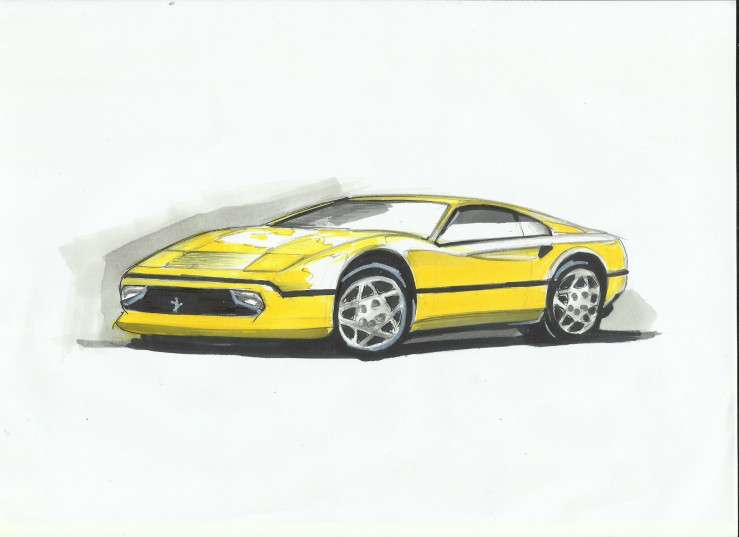
Sketch is drawn after Turbo #76: Ferrari GTS Turbo. All the classic details are in place. Modernized shape & reviewed front.
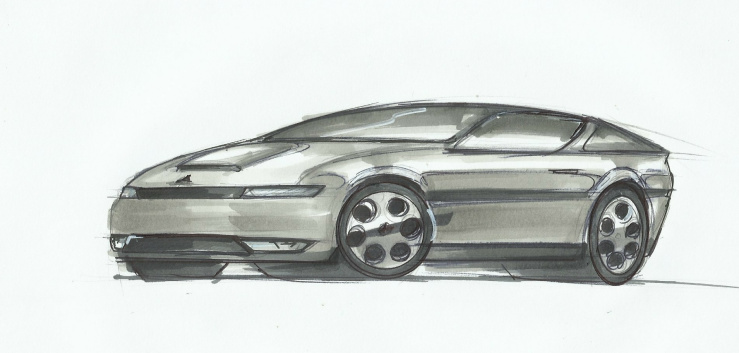
This sketch was made after Turbo #73: Mitsubishi Starion & presents full revision of original with accents on most notable details such as side windows shape.


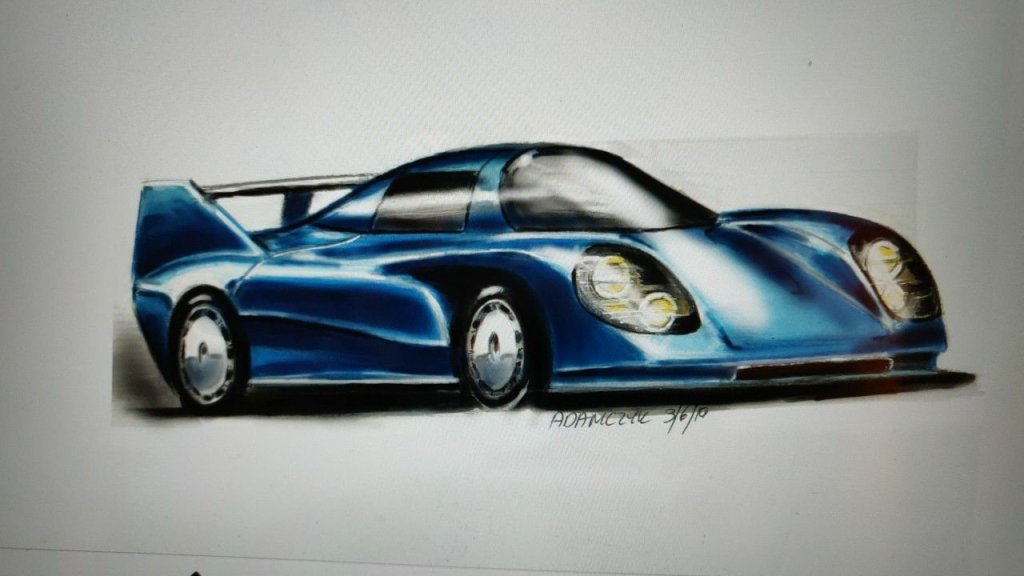
Here you can see #115 De La Marine DLM519 sketches (first version) performed by Marcin Adamczyk. It’s the complete workflow from finished work to very first lines.


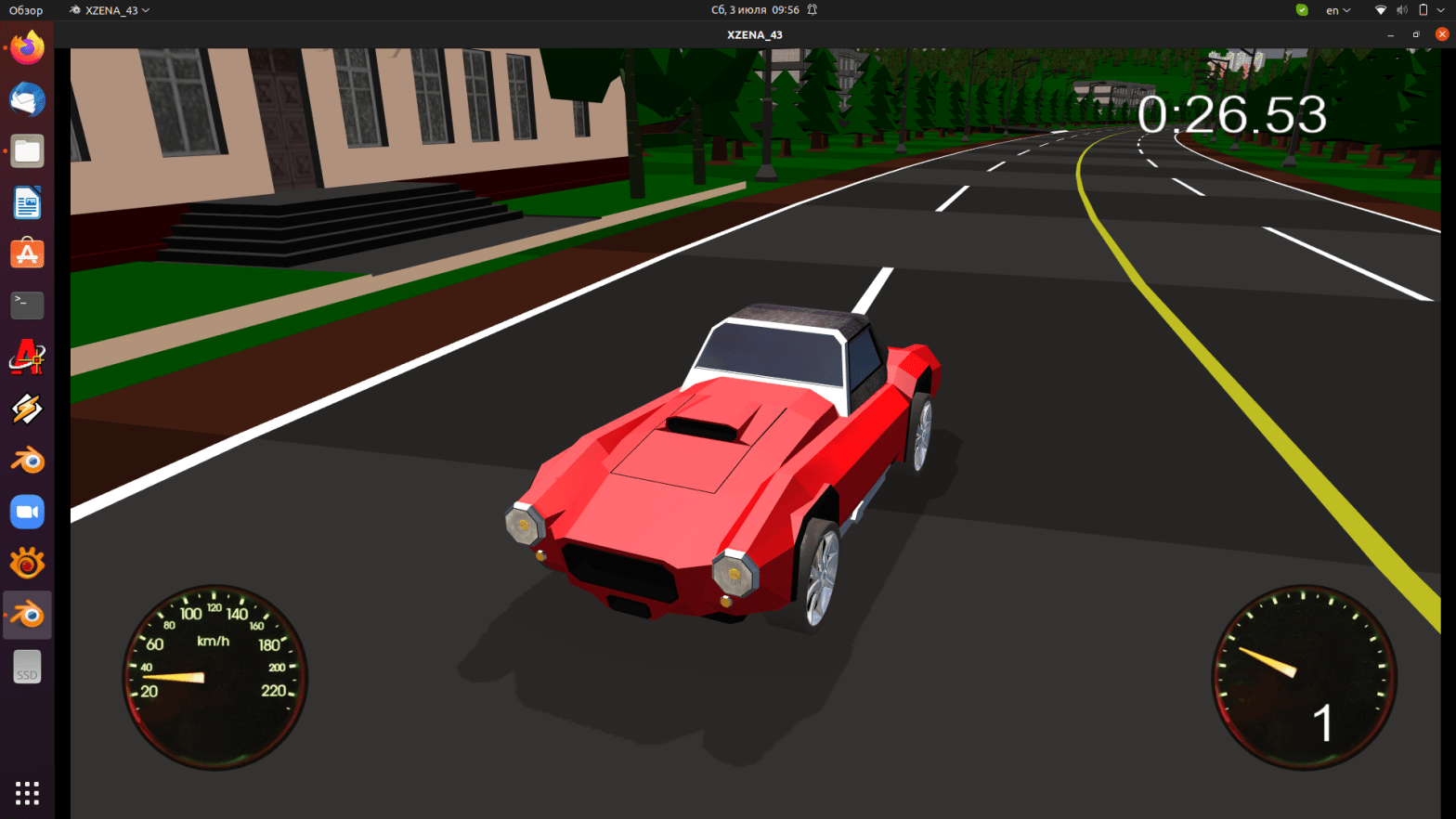
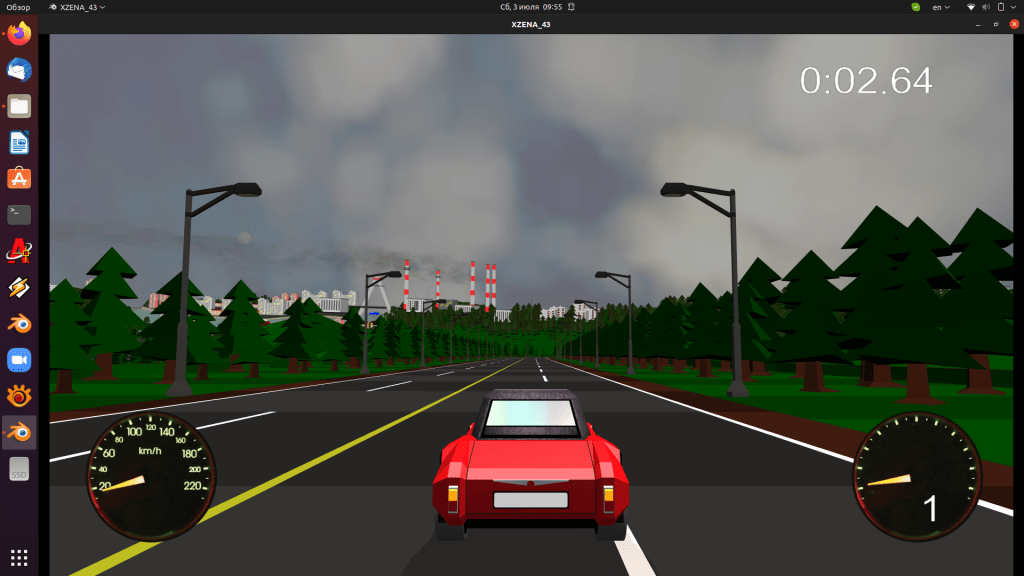
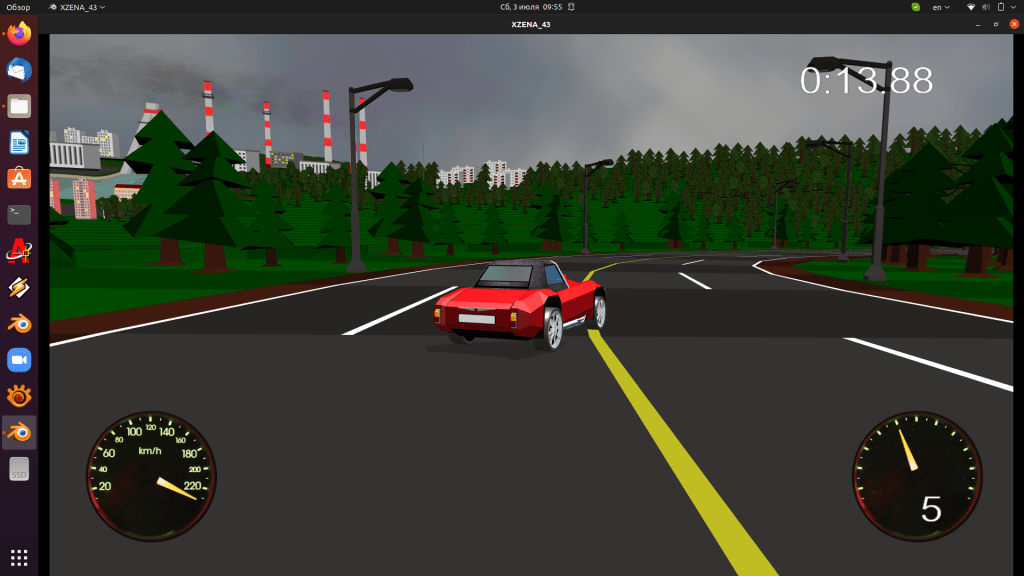
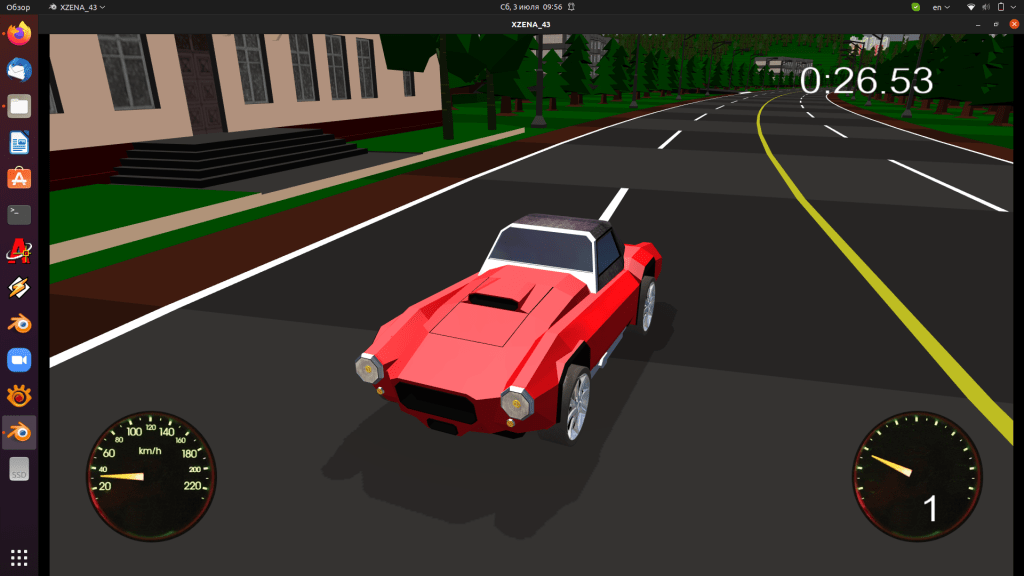
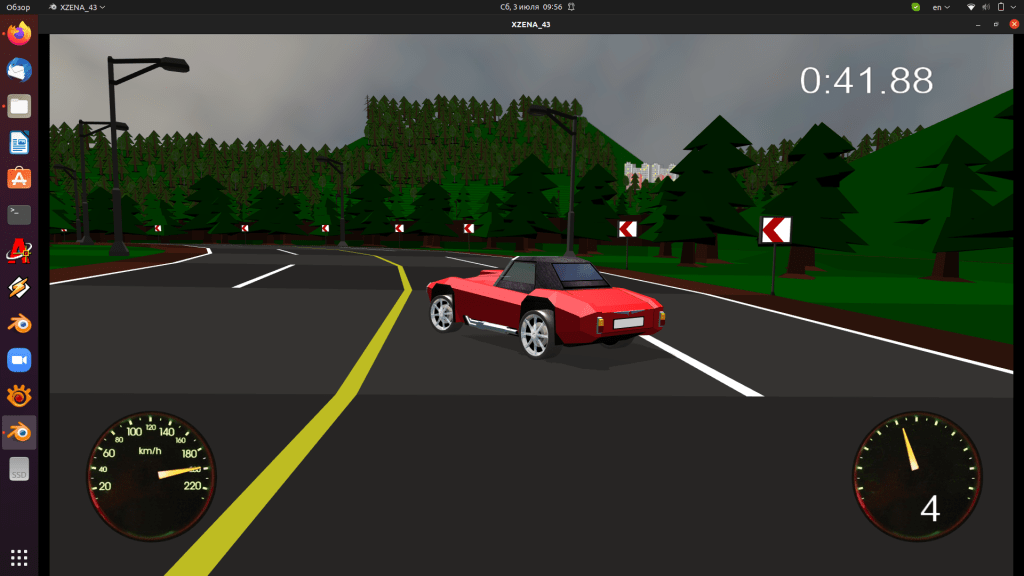
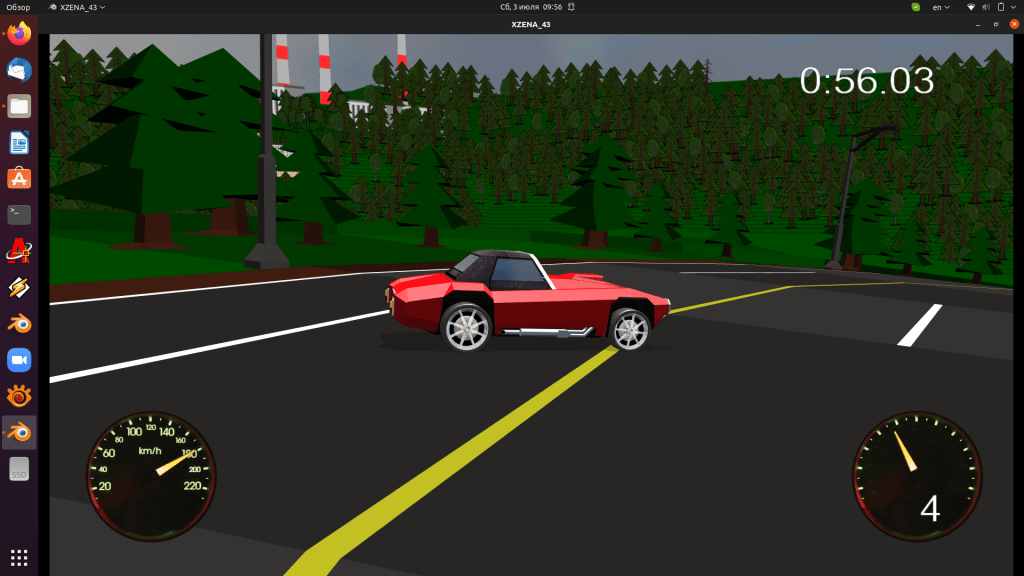
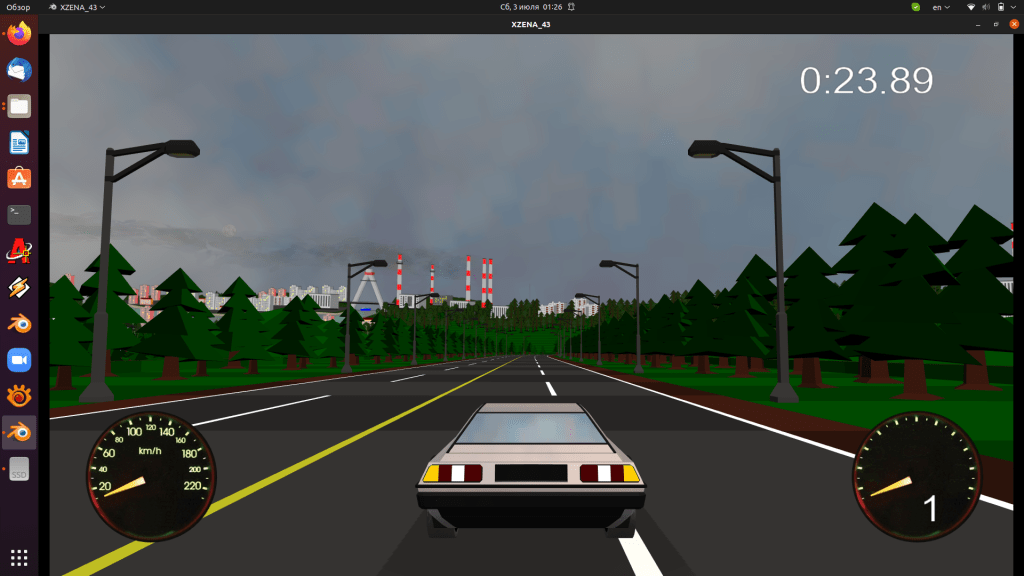
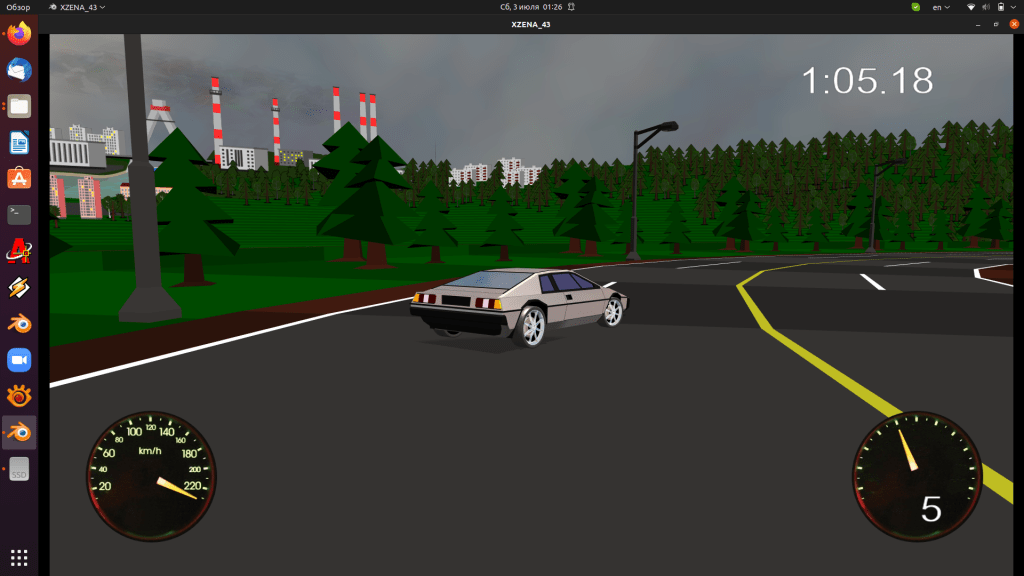
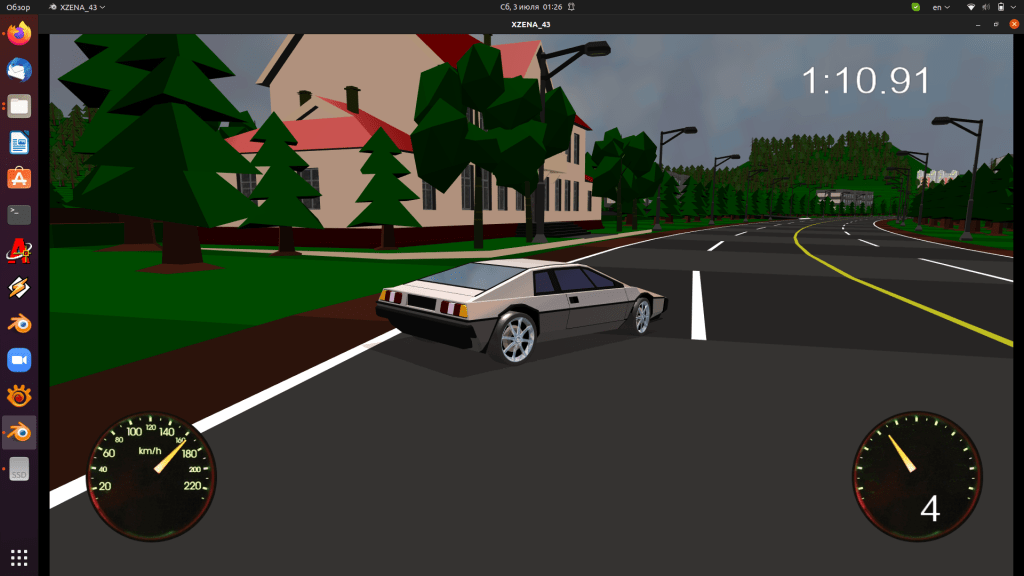

Creation of every car begins with a sketches. This website section presents the collection of Marcin Adamczyk artworks. Sketch Collection is sorted by pages. Each car has it’s own page. Currently he’s working on Series II sketches set.


1
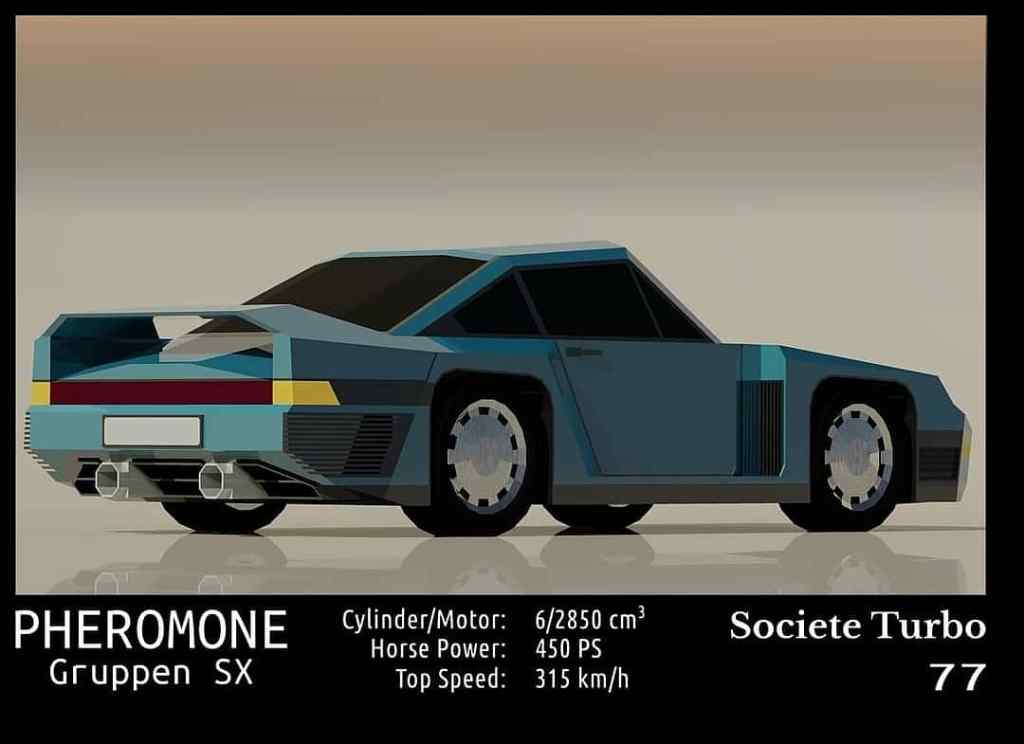
Pheromone cars are widely known for their expressive and memorable body shape with the indispensable use of traditional forms and parts for the brand. The Gruppen SX model is a great example of what the company’s most powerful and fastest car can look like without sacrificing historical style. Despite the fact that the engineers designed the car more for racing than for daily pleasure trips.

The company Pheromone Auto Gmbh was founded in 1969 after the successful debut of the self-made car Populus-Diedrich SL at the rally of the Duchy of Nassau. The prototype of all subsequent cars of the brand was built by Günther von Diedrich and his sons Peter and Martin theirselves on the basis of the affordable subcompact Populus 900‘s 2-stroke engine and components. The basis of the race car was a spatial steel tube frame, covered with a simple fiberglass body. An interesting feature of the car was the electric supercharger, which was able to temporarily double the engine power, bringing it to 75 hp.
The style was a thorough redesign of the base car, complemented by sporty elements: a developed spoiler and wing, and the necessary changes: lowering the roof level, expanding the wheel arches.

The appearance in 1980 of the senior racing Group SX, which allowed the use of six-cylinder engines, up to 3 liters and all-wheel drive, prompted the company to start developing the supercar that we are talking about today.
The work was completed in 1982, and the car entered the championship in 1983. From its predecessors, it was distinguished by radically expanded arches, a powerful wing, a new engine, the block, head and shafts for which were made by the Welsh workshop Dignity, suspension, all-wheel drive system with a viscous coupling and a thoroughly reinforced frame made of alloy pipes.
Pheromone Gruppen SX took the title three times on various tracks of the Group SX Championships before the company dicided to cease its participation to switch to Monoposto Racing after 1986.

| Engine | ||
| Model | Populus-Dietrich 4.30 | |
| Position | rear | |
| Orientation | transverse | |
| Cylinders | L6 | |
| Valves | 24 | |
| Engine volume | cm3 | 2860 |
| Power | PS | 415@8000 |
| Torque | Nm | 550@4500 |
| Gear Ratios | ||
| 1st gear | 3,33 | |
| 2nd gear | 2,21 | |
| 3rd gear | 1,50 | |
| 4th gear | 1,11 | |
| 5th gear | 0,80 | |
| Reverse | 2,85 | |
| Final Ratio | 2,99 | |
| Dimensions | ||
| Maximum Lenght | mm | n.d. |
| Maximum Width | mm | n.d. |
| Maximum Height | mm | n.d. |
| Wheelbase | mm | n.d. |
| Chassis | ||
| Brakes | Disk brakes | |
| Front suspension | 2 wishbones | |
| Rear suspension | 2 wishbones | |
| Aerodynamics | Cx | 0,38 |
| Exploitation data | ||
| Dry weight | kg | 1101 |
| Tank | l | 60+30 |
| Fuel Consumption | l/100km | 15, 22,35 |
| Dynamics | ||
| Maximim speed | km/h | 315 |
| Acceleration 0-100km/h | sec | 4,1 |
| Acceleration 1/4 mile | sec | 12,1 |
| Acceleration 1km | sec | 19,9 |

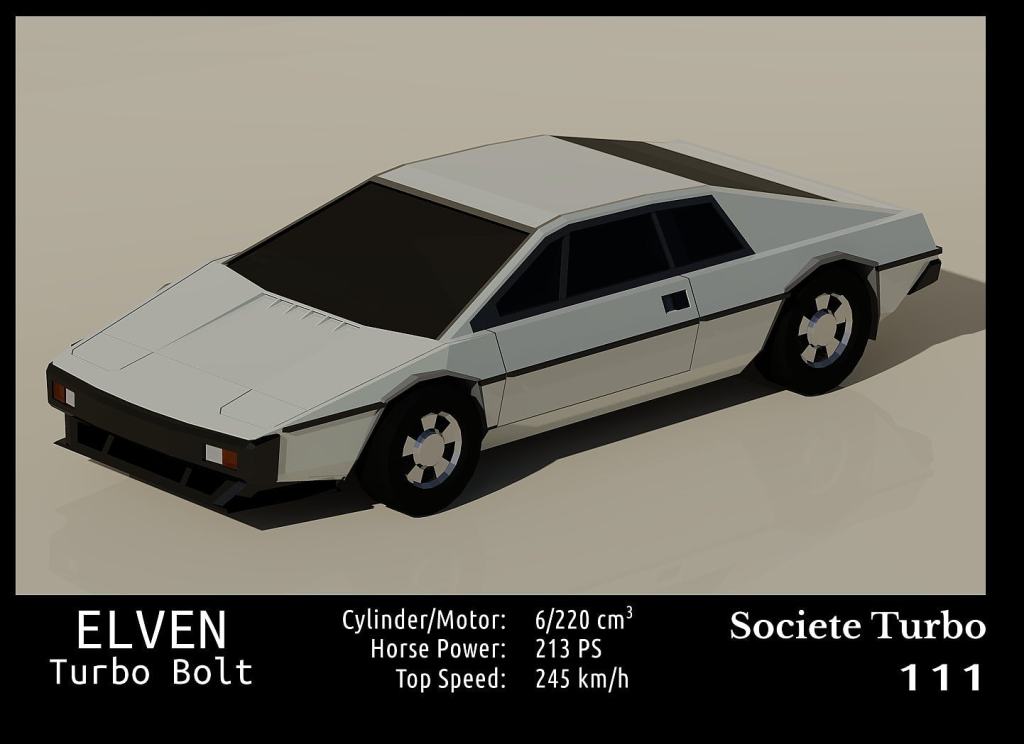
The business card of Elven cars are a wedge-shaped silhouette and a minimalistic style. This concept, which appeared in the early 70s, continues to be the main characteristic of the appearance of noble English sports cars for decades.

Elven cars have never been famous for huge engines, exorbitant power indicators or super-speeds. Their technical characteristics looked more than modest against the background of the numbers in the passports of the Italian road monsters and were only slightly higher than those shown by the prestigious sedans from Germany.
But neither of them had the grace of Elven in fast and slow turns, nor did they have the amazing balance and the pure connection that arose between man and machine. On race tracks and winding roads, light as hounds, the English cars are always faster, because the driver clearly understands the limit and drove at full speed where others were already braking.
Elven Turbo Bolt produced since 1979. This is a powerful turbocharged modification of the Bolt model, which was released in 1972. The installation of a turbocharger allowed to raise the power from 140 to 220 hp and the maximum speed to 245 km/h. This is the fastest Elven ever produced.
From the very beginning of its history, the English company has been participating in Monoposto Racing. The team has won 7 champion titles. It was the team’s focus on top-level competition that closed the road to motorsport for the potentially successful Turbo Bolt.

| Engine | ||
| Model | typ.622 | |
| Position | middle | |
| Orientation | transverse | |
| Cylinders | L6 | |
| Valves | 24 | |
| Engine volume | cm3 | 2224 |
| Power | PS | 211@7000 |
| Torque | Nm | 250@3500 |
| Gear Ratios | ||
| 1st gear | 3,01 | |
| 2nd gear | 2,12 | |
| 3rd gear | 1,40 | |
| 4th gear | 1,03 | |
| 5th gear | 0,85 | |
| Reverse | 2,85 | |
| Final Ratio | 2,82 | |
| Dimensions | ||
| Maximum Lenght | mm | n.d. |
| Maximum Width | mm | n.d. |
| Maximum Height | mm | n.d. |
| Wheelbase | mm | n.d. |
| Chassis | ||
| Brakes | Disk brakes | |
| Front suspension | 2 wishbones | |
| Rear suspension | 2 wishbones | |
| Aerodynamics | Cx | 0,31 |
| Exploitation data | ||
| Dry weight | kg | 980 |
| Tank | l | 42 |
| Fuel Consumption | l/100km | 10, 13, 17 |
| Dynamics | ||
| Maximim speed | km/h | 245 |
| Acceleration 0-100km/h | sec | 6,2 |
| Acceleration 1/4 mile | sec | 16,1 |
| Acceleration 1km | sec | 22,3 |

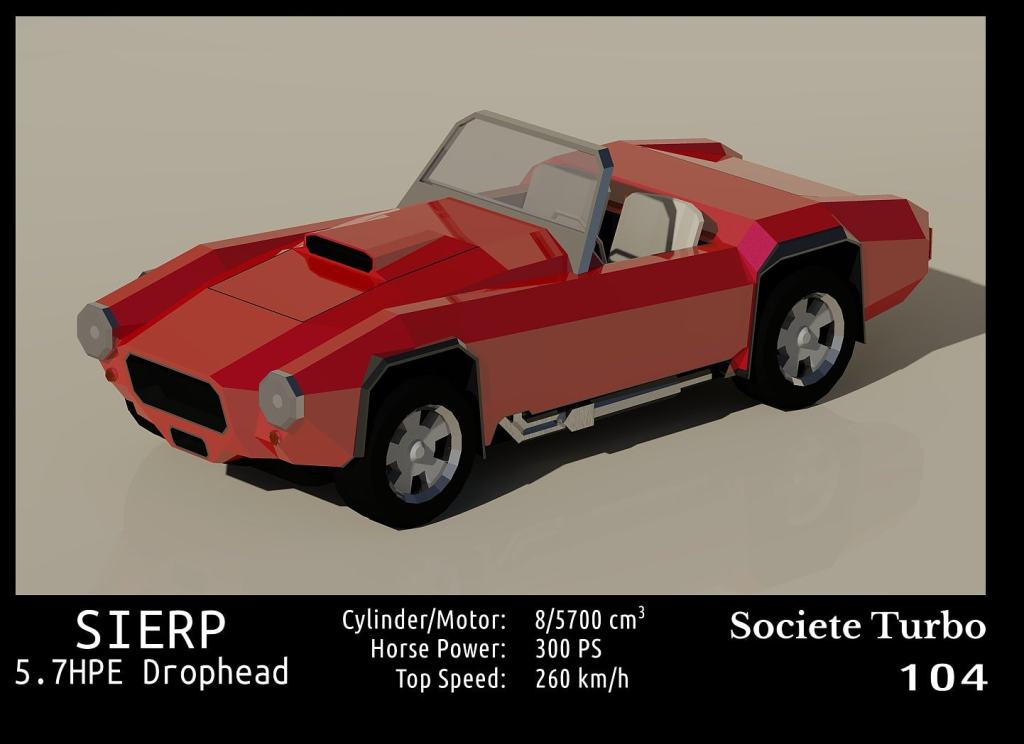
The Sierp‘s style is typical for open sports cars of the late 50s. The front headlights define the shapes that flow along the fenders. The hood is generally lowered, but, at the same time, it is crowned with a massive casing with a slot, a huge air intake dominates the front. The ground clearance is relatively large and there are no safety bars.

The brand Sierp (“sickle”) appeared in Poland in 1957, when the management of the bus factory Arkona (FAA), under pressure from the Socialist Sports Movement of Poland, decided to create a workshop for racing cars to participate in International Auto Competitions of the Socialist Countries “MASS” (Międzynarodowe Zawody Sportów Motorowych). Racing version was introduced in 1959 & road one in 1961. They were named Sierp Start and Sierp Turysta respectively.
The car had a steel space frame, a lightweight fiberglass body, front independent four-lever suspension, rear suspension with Panar traction. The V-shaped eight-cylinder engine was taken from the Moravian medium-duty truck Zlin-15/2, the three-stage torque converter-automatic & rear axle — from the Soviet sedan Moscow.
While the racing “Starts” (14 were built in 6 years) were fig with varying success on the socialist tracks, the “Tourists ” dispersed to the government garages of friendly countries. 55 cars were distributed around the world as gifts to high ambassadors, general secretaries, generalissimuses and prime ministers of almost 30 countries.
In 1984, production of the road version of the car was resumed in South Africa under the conversion program of the weapons factory Mataba. Honestly said, it was quite another cars: the engine, gearbox and rear axle are now supplied from the Étincelle pickups. And the car is called Sierp 5.7 HPE Drophead.

| Engine | ||
| Model | Étincelle 5.7HPE | |
| Position | front | |
| Orientation | Longitudinal | |
| Cylinders | V8 | |
| Valves | 16 | |
| Engine volume | cm3 | 5700 |
| Power | PS | 300@4500 |
| Torque | Nm | 450@3000 |
| Gear Ratios | ||
| 1st gear | 3,81 | |
| 2nd gear | 2,76 | |
| 3rd gear | 2,03 | |
| 4th gear | 1,22 | |
| 5th gear | 1,0 | |
| Reverse | 4,85 | |
| Final Ratio | 2,11 | |
| Dimensions | ||
| Maximum Lenght | mm | n.d. |
| Maximum Width | mm | n.d. |
| Maximum Height | mm | n.d. |
| Wheelbase | mm | n.d. |
| Chassis | ||
| Brakes | Disk brakes | |
| Front suspension | 2 wishbones | |
| Rear suspension | dependеnt on springs | |
| Aerodynamics | Cx | 0,47 |
| Exploitation data | ||
| Dry weight | kg | 1220 |
| Tank | l | 50 |
| Fuel Consumption | l/100km | n.d. |
| Dynamics | ||
| Maximim speed | km/h | 260 |
| Acceleration 0-100km/h | sec | 8,7 |
| Acceleration 1/4 mile | sec | 16,1 |
| Acceleration 1km | sec | 22,3 |

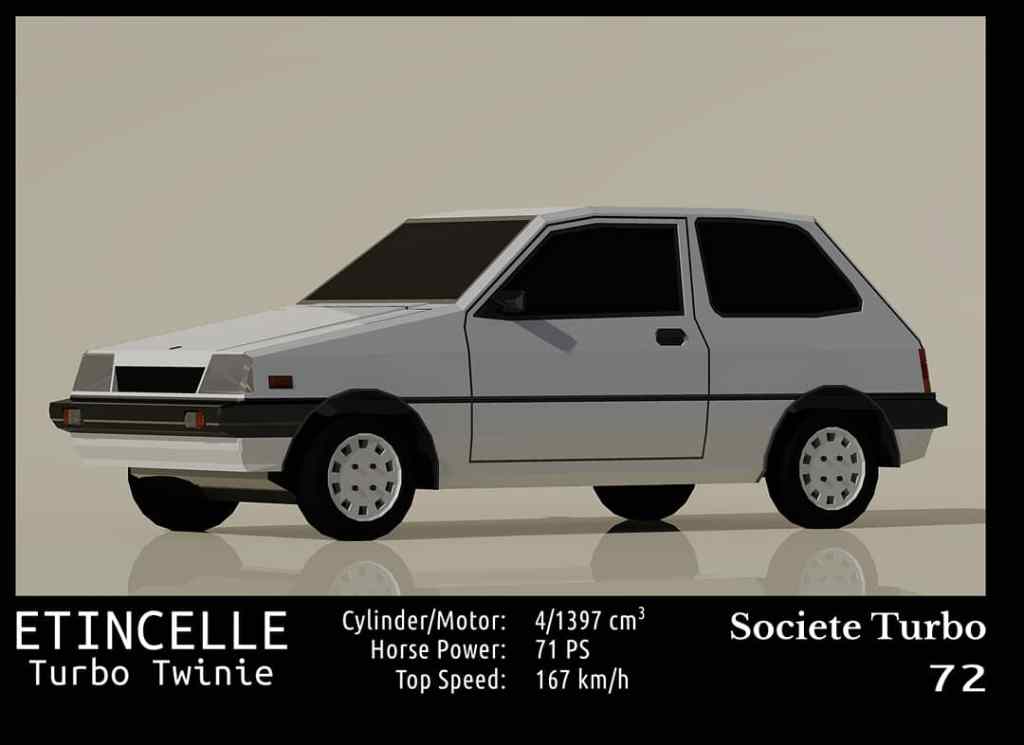
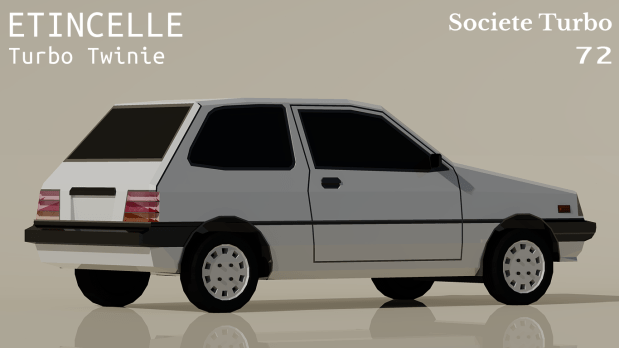
The ordinary forms of this three-door hatchback can not be called refined, but there is also no question of any special unattractiveness. The style is balanced, good in its own way, but this car and almost the entire line of its badge-engineering twins, had no serious distinguishing features from the cars of their classmates.
Étincelle (French for “Star”) is one of the oldest automobile brands in America, which appeared in the XIX century. Its history began with very light two-seat carriages with a two-cylinder engine with a capacity of 7 hp, which were produced by the Stern brothers manufactory in Tara, Georgia.
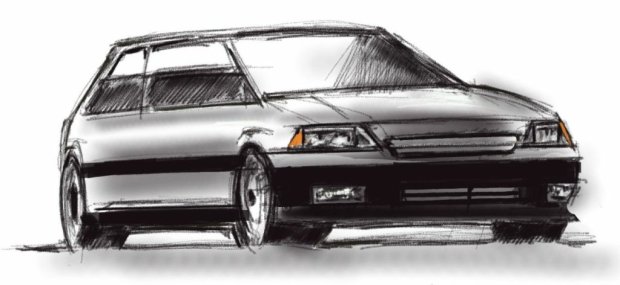
Small and inexpensive, but well-made cars fell to the liking of the local public, quickly spread throughout the country, and then conquered Europe. The Étincelle brand was initially used only in the French market, but soon the company Stern Bros. Co became known as Étincelle LTD. Further, the company quickly expanded, acquired branches, absorbed enterprises, turning into an intercontinental concern. Currently, its factories produce passenger cars, pickups, light and medium trucks, buses and military equipment.
The Twinie model is interesting because it is here that the concern had maximized the possibilities of badge engineering, releasing it under all its own brands without exception and at several partner factories. Here is a list of twin cars: Étincelle Twinie, Brainiac Sportic, Regulus Weasel, Lightspeed B-Hatch, DeClercq Carat, Aura One, Lladron Compax, Deimos H1.
| Engine | ||
| Model | CA14 | |
| Position | front | |
| Orientation | transverse | |
| Cylinders | L4 | |
| Valves | 8 | |
| Engine volume | cm3 | 1397 |
| Power | PS | 71@5500 |
| Torque | Nm | 80@3500 |
| Gear Ratios | ||
| 1st gear | n.d. | |
| 2nd gear | n.d. | |
| 3rd gear | n.d. | |
| 4th gear | n.d. | |
| 5th gear | n.d. | |
| Reverse | n.d. | |
| Final Ratio | n.d. | |
| Dimensions | ||
| Maximum Lenght | mm | 3670 |
| Maximum Width | mm | 1535 |
| Maximum Height | mm | 1350 |
| Wheelbase | mm | 2245 |
| Chassis | ||
| Brakes | Disk/Drum brakes | |
| Front suspension | McPherson | |
| Rear suspension | 2 wishbones | |
| Aerodynamics | Cx | 0,36 |
| Exploitation data | ||
| Dry weight | kg | 680 |
| Tank | l | 35 |
| Fuel Consumption | l/100km | 4.0, 6.2, 6.5 |
| Dynamics | ||
| Maximim speed | km/h | 167 |
| Acceleration 0-100km/h | sec | 17.1 |
| Acceleration 1/4 mile | sec | n.d. |
| Acceleration 1km | sec | n.d. |



 Turbo Era